
Hyundai KONA Towbars
The Hyundai KONA is a compact SUV designed for practical urban use and efficient long-distance travel. It is often used for towing small trailers, caravans, or bike carriers. For this model, there are 2 dedicated towbar variants available, meeting the needs of different model years and hybrid/electric compatibility. View all Hyundai towbars for broader brand coverage.
- HYUNDAI KONA
More information »
Towbar RRP Includes a Special Introductory Reduction of £15 (ex-Vat)PRICE (exc. VAT)
£204.00Available: 5 - HYUNDAI KONA
More information »
Towbar RRP Includes a Special Introductory Reduction of £15 (ex-Vat)PRICE (exc. VAT)
£411.00Available: 5 - HYUNDAI KONA
More information »
Towbar RRP Includes a Special Introductory Reduction of £15 (ex-Vat)PRICE (exc. VAT)
£356.00Available: 5
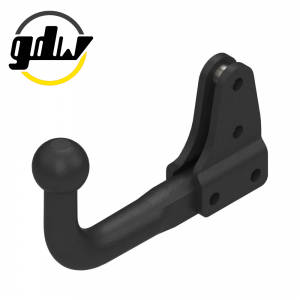
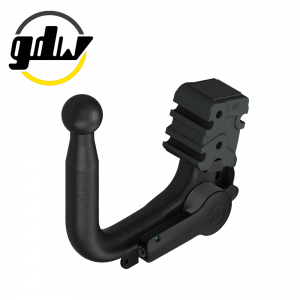
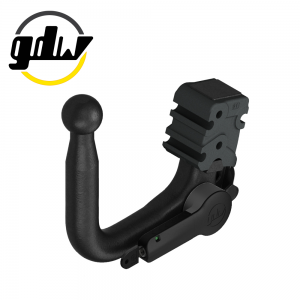
Towing specifications
- Model years 07/2017–10/2020: Maximum braked towing capacity: 1,500 kg; D-value: 8.5 kN; S-value (vertical load): 100 kg.
- Model years 01/2023–present: Maximum braked towing capacity: 1,300 kg; D-value: 8.5 kN; S-value (vertical load): 100 kg.
- Unbraked towing capacity is not specified here; consult the vehicle handbook or VIN plate for this value.
- The D-value indicates safe operational strength for coupling loads. The S-value is the allowed downward load at the towball (nose weight).
Trailer electrics compatibility
All towbars for the Hyundai KONA are compatible with electric systems needed for safe towing. Proper trailer lighting is maintained, including the correct operation of indicators, brake lights, and rear fog lamps. Modern KONA models may require specific coding or activation steps to integrate the trailer module with the onboard electronics, ensuring that safety features and error monitoring systems function correctly.
Vehicle technology compatibility
- Compatible with factory parking sensor systems when installed to specification.
- Supports Trailer Stability Program (TSP) where fitted.
- Automatic rear fog light deactivation during trailer use (depending on wiring kit and vehicle options).
- Check control systems for lighting faults remain functional when wired appropriately.
- Both towbars are suited for HYBRID versions; the latest variant also supports EV models, except N-LINE trims.
Installation notes
- Bumper cut: Not visible on all variants (concealed cut required).
- Remove bumper required during installation.
- OEM-style fitment and full corrosion protection are standard features of these towbars.
- Not suited for Ad Blue models, KONA EV (2017–2020), or N-LINE trims. The latest variant (from 2023) is suited for HYBRID & EV, but not N-LINE.
Related models
If you are considering other Hyundai vehicles for towing, the following models also have dedicated towbar solutions:
Frequently asked questions about the Hyundai KONA towbars
- Is the towbar compatible with factory parking sensors?
Yes, both KONA towbars are designed to maintain compatibility with OEM parking sensors when installed according to instructions.
- Are these towbars suitable for HYBRID or EV KONA models?
Both variants are suited for HYBRID models. The latest (from 2023) is also suitable for EV variants except for N-LINE trims. Always check fitment notes for trim exclusions.
- Do the towbars require bumper modification during installation?
Yes, the installation involves a bumper cut, but it is not visible once fitted and completed professionally.
- What are the towing capacity and nose weight for my KONA?
Depending on the production year, the braked towing capacity is 1,500 kg (2017–2020) or 1,300 kg (2023–present) with a maximum vertical load (S-value) of 100 kg.
- Are there specific trims or versions not suited to these towbars?
Yes, the 2017–2020 towbar is not suited for Ad Blue, KONA EV, or N-LINE models; the 2023–present towbar is not suited for N-LINE trims.
Browse the complete range of Hyundai KONA towbars on this page to find the correct fit for your exact specification. For other Hyundai models, see the full Hyundai towbar range.